We most often associate the word "ecosystem" with the natural world: an ecosystem as a self-sustaining web of organisms, landscapes, and weather patterns that exist within a shared environment. Every aspect of a well-balanced ecosystem seems purpose-fit for its particular set of circumstances. Make one small change, and the whole system must adapt. It's a powerful concept.
Businesses operate in ecosystems, too, impacted by factors such as geography, technology, competitive landscape, and market conditions. But this idea can be applied one level deeper: building an ecosystem within a company, composed of the platforms, people, and processes that must function together to effectively accelerate outcomes.
In life sciences, companies strive to deliver innovation at the speed and scale that patients deserve. Operational complexity continues to increase, but technology, including AI, is simultaneously making interconnectedness more feasible. Life sciences companies have an opportunity—perhaps even a mandate—to construct their own ecosystems that drive collaboration more quickly and more effectively to bring patients the treatments they need.
From Fragmentation to Ecosystem Thinking
For a value chain that stretches from drug discovery, through development, and into commercialization on the factory floor, the most effective path forward is an ecosystem where the many touchpoints in the value chain function together as a cohesive, interconnected whole. The ecosystem is connected by technology and built for speed and value.
Compare that to the current state in many life sciences companies today: disconnected systems, siloed data, overreliance on manual efforts. Even when a single function performs well, it does so in isolation. Data can’t flow effectively between teams, and the work of integration becomes an ongoing burden. Meaningful digital transformation requires a different approach, one that considers each part of the value chain in the context of the entire system.
Such a paradigm shift requires reimagining the traditional technology selection process, which typically addresses a single system at a time. You’re familiar with the workflow: hiring consultants to conduct months-long vendor evaluations; waiting through extended pilot phases; and often onboarding a different set of consultants to manage implementation, adoption, training, processes, and change management. This linear approach might solve a single problem for one team (although the typical time frame of 18-24 months for such a project is still too long), but it leaves the broader organization struggling to connect the dots between the newly implemented technology and the other processes and systems that touch it.
There’s an adage that basically states, “You can only go as fast as the slowest.” The slowest team member, the slowest technology, the slowest part of your value chain. Researchers and manufacturing teams may not work side by side in the same facilities, but they are part of a single ecosystem. Changes in one area of the organization need to be considered in the context of their impact system-wide, especially as relates to speed. The question to ask isn’t, “Will this technology increase throughput in this particular area?” but rather, “Will this change increase throughput across our entire value chain?”
Building a Seamless Business Ecosystem
One of the more effective ways for organizations to build their own ecosystems is by incorporating vendors that excel in particular areas of specialization—but are able to cooperate and coexist with one another. Overly fragmented approaches fall short of delivering the outcomes and speed required to be competitive. Multiple vendors may be required to provide the deep specialization necessary across different segments of the value chain, but the technologies still need to be considered as parts of a greater whole. This is where we’re headed, and to meet the moment, we’ve adapted our approach at Stellix accordingly.
Our role in building ecosystems is best described as orchestrators. We act as business partners to life sciences companies to design vendor ecosystems that deliver better outcomes. That includes integrating systems, harmonizing data, and tying technologies together to increase speed and make a more meaningful impact.
People, process, and change management aren’t afterthoughts but wrapped into the initial designs and choices. Digital transformation can only be transformative if the technology works optimally, not as a single platform or piece of software but in concert with the rest of the system. This approach results in a faster time to value with significantly less friction compared to the old way of doing business.
I’ve already seen what’s possible with this type of approach: during COVID-19, I lived it. Our organization came together with Moderna, Lonza, and even government regulators to deliver the life-saving COVID-19 vaccine in record time. We helped build an internal ecosystem at Moderna that was designed for speed. But we also embraced partnership in the external ecosystem, working closely with regulatory bodies to push approvals forward in a way that was safe and compliant while acknowledging the extraordinary urgency of the moment. That success story defines the potential of ecosystems in action.
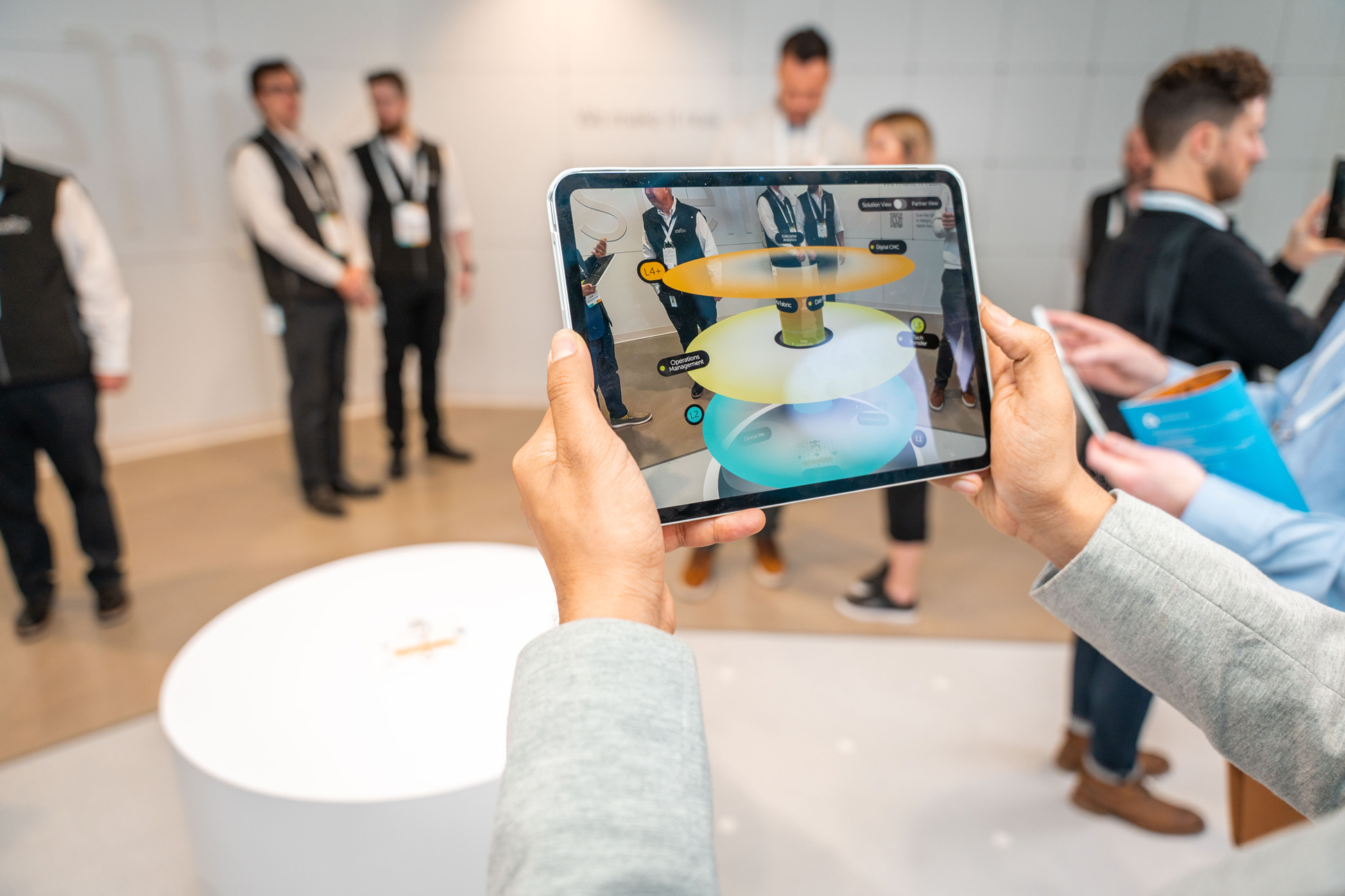
The Customer Experience Center (CEC) we’ve built at Stellix headquarters is a physical manifestation of this shift in thinking. It’s a space designed for connection, innovation, and hands-on collaboration. A space where companies can experiment with new technologies, see how those technologies could function together, and start bringing their own ecosystems to life.
Now is the time to start thinking differently. The future for life sciences is one in which companies stop evaluating touchpoints in their value chain individually and begin viewing them as parts of a greater whole, one ecosystem united in pursuit of better—and faster—patient outcomes using system design thinking principles.